Showing posts with label cesarean. Show all posts

09 February 2012

VBAC discussion with Dr. Stuart Fischbein

LISTEN HERE
Listen to internet radio with ProgressiveParenting on Blog Talk Radio

This was broadcast earlier in the week on Progressive Parenting on Blog Talk Radio. I found the host's introduction tedious (sorry), so don't give up...Dr. Fischbein is worth the wait - lots of great, crystal clear information for those seeking a VBAC.
And for those who have not yet given birth, remember that avoiding the primary cesarean is the best plan of all.
Read more about Dr. Fischbein

I am blessed to regularly work with several care providers who value and actively support VBAC for my clients...the good ones are out there and finding true support rather than mere tolerance is key. If your gut is not agreeing with your ears, go with your gut.

For more information on VBAC, check out ICAN & VBAC.com

16 April 2011

perspective, baby, perspective


I have a good friend with several kids, all born by cesarean. She told me many years ago to remember that not every woman is troubled by not having given birth vaginally. She is one of them - totally pleased with the birth stories of her beautiful children. It seems obvious on it's face, but I was happy for the reminder and recall it frequently...we just can't assume or put people in boxes.

Recently she introduced me to a child as someone who, "helps take babies out of mommies tummies". I didn't correct her, for that is her truth.

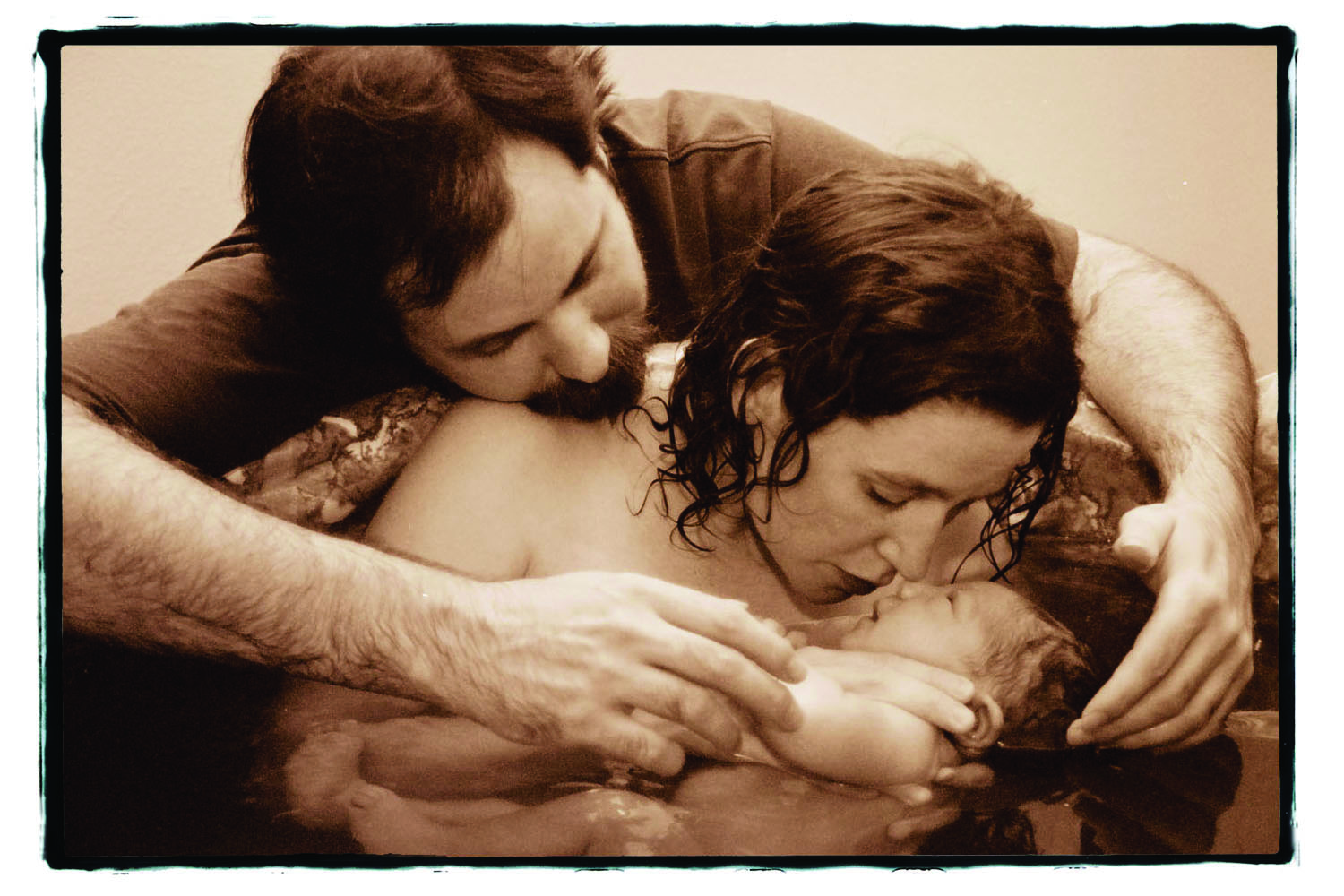
*the above image, entitled "First Kiss", is by artist, doula & mother, Amy Swagman. It, and other art, can be purchased in support of ICAN this month for Cesarean Awareness Month

13 April 2011

close to home: potentially fatal placental abnormality due in large part to previous cesareans


A still-rare (3/1000 births) but once incredibly rare (0.8/1000 before the rise in cesareans) and very serious placental complication, placenta accreta, is linked to having had previous cesarean(s). Because NJ, my home state, has the highest cesarean rate in the nation (for the 13th year in a row), one can extrapolate that we likely have the highest accreta rate as well. Here's a sobering story about a family in my town...

"We were making preparations for death," DeLeon-George, of South Orange, says now. "We grappled with a lot. There were a lot of what-ifs."

DeLeon-George had a rare condition. The placenta growing inside her was attached to scar tissue on the wall of her uterus from four previous Caesarean sections, forming its own extensive network of blood vessels, likely leading to massive bleeding — two units per minute — just as her youngest daughter Hannah was coming into the world. Essentially, the placenta, a life-giving organ for the unborn child, had become like a dangerous growth and had to be carefully extracted.

DeLeon-George’s problem is still a rare one for mothers-to-be, but doctors say as the rate of C-sections continues to increase, it’s apt to become more common. Called placenta accreta, it’s a disorder by which a placenta attaches to a previous C-section scar, and grows at an uncontrolled rate into vital organs such as the bladder, endangering the life of the mother.


04 April 2011

April is Cesarean Awareness Month


Sadly, "32.9% of Births Resulting In Major Abdominal Surgery; 13th Consecutive Year to Show Increase"...read about it on the ICAN site

Hopefully ACOG's reversal of their prior position against VBAC will stem the tide. But we must prevent unnecessary primary cesareans whenever possible.

If you are pregnant, considering getting pregnant or know someone who is, consider downloading "What Every Pregnant Woman Needs To Know About Cesarean Section" (2006, revised) The numbers are worse now, but still good information.


06 March 2011

worth repeating

No need to convince those of us interested in maternity care...but to the average American, this article in a PA paper is needed information:

One of the biggest opportunities for reducing health care costs is improving the quality of maternity care. For most businesses, childbirth and newborn care is the largest or second largest (after heart care) category of hospital expenditures, and it's by far the largest category of hospital expenditures for state Medicaid programs. So even small improvements can result in large savings.

The place to start is with the most common hospital procedure in America -- the cesarean section. A C-section is a surgical delivery of a baby, rather than a normal, vaginal delivery. Not only does a C-section typically cost twice as much as a vaginal delivery, it is more likely to result in infections, injuries and other complications for both mothers and babies.

07 March 2010

high-touch birth

Lessons at Indian Hospital About Births

...In Tuba City last year, 32 percent of women with prior Caesareans had vaginal births. Its overall Caesarean rate has been low — 13.5 percent, less than half the national rate of 31.8 percent in 2007 (the latest year with figures available). This is despite the fact that more women here have diabetes and high blood pressure, which usually result in higher Caesarean rates...

How do they do it? Check out the entire NY Times article here.

I read this makes-you-shake-your-head-because-it-can-be-so-simple article after coming home from a birth at a hospital five minutes from my home where MANY doctors (whole practices) don't take call on weekends. Period. So there is a very good chance the doctor you stayed at this hospital for will not even be there, won't even know you're in labor. When you get there, get ready to sit in an office not unlike that of a car dealership, where copies will be made of your driver's license and insurance card before you can go to triage. Where you stay in bed if your water is broken. Use a bedpan, 'cause you're not getting out of bed to pee. Be ready to have "concerned" conversations over the birth ball you brought. A hospital where the Friedman Curve is king. Where there isn't even a pantry room because nothing but ice chips is permitted, so why would you need a fridge or microwave or electric tea kettle. Where one can feel truly lucky if not among the 49.3% of birthing women who have a cesarean at this hospital.

There are hospitals within spitting distance where the level of care is as good (better, in my opinion) but people don't have to put up with this way of doing birth. Yet many people still flock to this institution. I don't know why and will continue to offer information on alternatives and then meet them where ever they are, trusting that they know what feels best for them. But in my heart, I'll likely wish we were someplace else...maybe Tuba City.

OK - rant over.

13 November 2009

maternal mortality in the US and abroad

from BBC news:

click here to see a video interview - one story of loss, right here in NJ

Maternal mortality across the world

The US spends more money on mothers' health than any other nation in the world, yet women in America are more likely to die during childbirth than they are in most other developed countries, according to the OECD and WHO. The BBC's Laura Trevelyan has been trying to find out why.

Four million American women give birth every year, and about 500 die during childbirth or from pregnancy-related complications.

In the richest nation in the world, giving birth is more risky than you would think.

"No American woman should die from childbirth in 2009, we can definitely do a lot better," says Dr Michael Lu, Associate Professor of Obstetrics at the University of California, Los Angeles (UCLA).

In New Jersey, Jim Scythes is bringing up his two-year-old daughter Isabella on his own.

His wife, Valerie, died from blood clots shortly after giving birth to Isabella by Caesarean section.

Jim still cannot believe that Valerie died after giving birth, here in America.

"When Isabella walked for the first time, I sat on the floor and cried, because Valerie should have been there. I believe this could have been prevented and now my daughter will never know her mother."

MATERNAL MORTALITY
One woman dies every minute during childbirth, yet almost all of these deaths are preventable.

In 2001, the UN set itself the goal of slashing maternal mortality by 75% by 2015, but it is nowhere near meeting that target.

Health ministers from around the world are meeting in Ethiopia to work out how to make up for lost ground.

The BBC is publishing a series of reports to mark the occasion.

So why are women in America more likely to die during childbirth than they are in most other developed nations?

The answers are complex. A healthcare system which leaves what Dr Lu estimates are 17 million women of child-bearing age without health insurance could be one factor.

Obesity, poverty and the high rate of C-sections in America all play a part.

Dr Lu says about half of American women are entering pregnancy overweight. "Obesity is a major risk factor for pregnancy-related complications.

"First we need to improve the health of women before they get pregnant, and second we need to improve the quality of maternal care in America."

Shocking story

The Centres for Disease Control (CDC) in Atlanta is the US government agency that collects national statistics on the numbers of women dying during childbirth.

Dr Bill Callaghan of the CDC says the latest maternal mortality data suggests one in four to one in five women who die have heart disease, or diseased blood vessels.

To the extent that we don't explain racial disparity in pregnancy-related mortality, we're going to have difficulty making headway into it
Dr Bill Callaghan
Centers for Disease Control

Could that be due to women being overweight? I asked. "It could be," replies Dr Callaghan, "the obesity epidemic has not spared women of reproductive age."

Dr Bill McCool, at the University of Pennsylvania's School of Nursing, points out that America is far above the World Health Organization's goal of a 15% C-section rate.

"Surgery of any kind has risk," he says, and a C-section is, "still the riskiest way to have a baby.

"In the US, almost one third of women have that procedure for delivery of their baby."

The statistics on maternal mortality in America tell a shocking story when it comes to African-American women.

They are three to four times more likely to die during childbirth than white American women.

Dr Bill McCool says that even wealthy black American women have a higher rate of mortality during childbirth than wealthy white women.

"People have looked at this from different angles.

Maternal mortality around the world

"We know that African-American women tend to have higher blood pressure than the rest of the population, so is there a link there?"

JoAnne Fischer, Executive Director of the Maternity Care Coalition, which works with low income women to help them stay healthy during their pregnancies, says: "We do know that there is extraordinary stress involved in racism and in being poor. "

"And we know that sometimes this creates hypertension.

"Hypertension, obesity and diabetes are all linked, so we have to make sure women start their pregnancies healthy."

Dr Bill Callaghan, of the CDC, finds that not knowing why African-American women are at greater risk when giving birth has given him and his colleagues' sleepless nights.

"We can say that some of this may be due to socio-economic disparities.

"But it does not explain all of it.

"And to the extent that we don't explain racial disparity in pregnancy-related mortality, we're going to have difficulty making headway into it."

As doctors and US officials try to work out why American women are dying in childbirth, and what can be done to prevent it, Jim Scythes is still mourning his wife Valerie, who was all too briefly a mother.

19 October 2009

finding peace

Today I received a comment from someone full of sadness & regret about her own three cesarean births in regards to a prior post from last January on VBA3C (vaginal birth after 3 cesareans) -

Here was my response:

Dear Anonymous,
I wish your story was uncommon, but it is not, as I'm sure you know.
I don't want to be dismissive (at all), but I do hope you can look back on your births (- yes, I said births... you had unwanted c-sections but you also gave birth to wanted babies -) and can find the victories too. The questions you asked, the thought of what you would prefer even if no one was able to help you make that happen...
I really encourage every woman who feels any sort of trauma or sadness from her births to find someone to listen and help you frame your stories to find the power. Pam England from Birthing From Within & author/doula Penny Simkin are two names to consider for potential phone consults. And the fine folks at ICAN & VBAC.com...
I wish you peace. Please feel free to be in touch if more info is needed.

Kim/DoulaMomma

31 July 2009

If men had uteruses


There is an excellent NY Times op-ed piece by always-impressive Nicholas Kristof called "Crises in the Operating Room" about the utter lack of focus by world powers on birth resources in developing countries. While our fight here is against too much and unnecessary intervention, in other countries life-saving intervention can be hard to come by for those in poverty...the single birth story in the op-ed is chilling.

Here's the meat of the piece:
If men had uteruses, “paternity wards” would get resources, ambulances would transport pregnant men to hospitals free of charge, deliveries would be free, and the Group of 8 industrialized nations would make paternal mortality a top priority. One of the most lethal forms of sex discrimination is this systematic inattention to reproductive health care, from family planning to childbirth — so long as those who die are impoverished, voiceless women.Thankfully, there is the dawn of a global movement against maternal mortality. Prime Minister Gordon Brown of Britain and the United Nations secretary general, Ban Ki-moon, are trying to work with the United States and other countries to hold a landmark global health session at the U.N. focusing, in part, on maternal health. If that comes to pass, on Sept. 23, it will be a milestone. My dream is that Barack and Michelle Obama will leap forward and adopt this cause — and transform the prospects for so many young women like Shazia.

Also check out a follow up piece, in which Kristof says,
"Interestingly, in the U.S., maternal mortality remained very, very high even as the United States enjoyed economic development and improved overall health in the 19th century."


Seriously, read all his stories on birth - I hope those in power start listening.

30 July 2009

"over here, Mr. President"

Check out Pushed author Jennifer Block's wonderful new piece, "Where's The Birth Plan",on birth as it relates to health care reform, or rather how it seems to be getting short shrift in the reform debate. Where's the outrage? Where's the common sense?

There are so many working models (at least where birth practices are concerned) from which to learn if we really want to reform...cheaper+better outcomes - isn't that what we should be after? No need to reinvent the wheel or keep limping along with this flat tire of a system we currently have.

Here's a quote to whet your appetite,
In other words, our for-profit system not only rewards the overuse of intervention even if it leads to more sick babies; in some cases, it depends on it.

So, if this system is broken, and this system is wasting public funds, and this system is harming women and babies, why isn't fixing it part of the national conversation on health reform?

17 April 2009

you make me feel

like a natural...cesarean?!...LINK to The MotherHood Blog today...

16 April 2009

37 is NOT the new 40


Call me crazy, but there is probably some sort of reason nature made gestation about 40 weeks, yet it's common practice for a scheduled cesarean (or an induction) to be done at around 37 weeks in spite of many studies that show this is NOT evidence based or best practice. Here's another reason to say no unless your or you baby's life is at risk by staying pregnant longer:

In the newest issue of the APPPH Newsletter (Association for Prenatal & Perinatal Psychology & Health) on birth psychology, a study shows:

Bigger is Better
A baby’s brain at 35 weeks
weighs only two-thirds what it
will weigh at 39 weeks

NEW RESEARCH SHOWS WHY EVERY WEEK OF PREGNANCY COUNTS
New research shows that the last weeks of pregnancy are more important than once thought for brain, lung and liver
development, and there may be lasting consequences for babies born at 34 to 36 weeks, now called “late preterm.” Experts
also warn that a fetus’s estimated age may be off by as much as two weeks either way, meaning that a baby thought to be
36 weeks along might be only 34. A study in the American Journal of Obstetrics and Gynecologycalculated that for each
week a baby stayed in the womb between 32 and 39 weeks, there is a 23% decrease in problems such as respiratory
distress, jaundice, seizures, temperature instability and brain hemorrhages. A study of nearly 15,000 children in the Journal
of Pediatrics found that those born between 32 and 36 weeks had lower reading
and math scores in first grade than babies who went to full term. The American
College of Obstetricians and Gynecologists, the American Academy of Pediatrics
and the March of Dimes are now urging obstetricians not to deliver babies before
39 weeks unless there is a medical reason to do so. But it isn’t always easy to tell
which elective early deliveries are done for medical reasons, such as fetal distress
or pre-eclampsia, and which aren’t. “Obstetricians know the rules and they are
very creative about some of their indications—like ‘impending pre-eclampsia,’”
says Alan Fleischman, medical director for the March of Dimes. Why do doctors
agree to deliver a baby early when there’s no medical reason? Some cite pressure
from parents. “‘I’m tired of being pregnant. My fingers are swollen. My mother-
in-law is coming’—we hear that all the time,” says Laura E. Riley, medical
director of labor and delivery at Massachusetts General Hospital. There’s also a
perception that delivering early by c-section is safer for the baby, even though it
means major surgery for the mom. . “The idea is that somehow, if you’re in
complete control of the delivery, then only good things will happen. But that’s
categorically wrong. The baby and the uterus know best,” says F. Sessions Cole,
director of newborn medicine at St. Louis Children’s Hospital. He explains that a complex series of events occurs in late
pregnancy to prepare the baby to survive outside the womb: The fetus acquires fat needed to maintain body temperature;
the liver matures enough to eliminate bilirubin from the body; and the lungs get ready to exchange oxygen as soon as the
umbilical cord is clamped. Disrupting any of those steps can result in brain damage and other problems. In addition, the
squeezing of the uterus during labor stimulates the baby and the placenta to make steroid hormones that help this last phase
of lung maturation—and that’s missed if the mother never goes into labor.

02 April 2009

April is


Cesareans can save lives & I'm glad they are available. But they can also cost lives; a cesarean is major abdominal surgery and should be avoided unless absolutely necessary. According to Childbirth Connection.org,
Recent studies reaffirm earlier World Health Organization recommendations about optimal cesarean section rates. The best outcomes for mothers and babies appear to occur with cesarean section rates of 5% to 10%. Rates above 15% seem to do more harm than good (Althabe and Belizan 2006).
2007 data shows that it is nationally 31.8%. My state, NJ is the highest in the nation at nearly 40%! Women who have this surgery are four times more likely to die than women who give birth vaginally.

There is much that can be done to lessen chances of giving birth by cesarean unnecessarily. Educate yourself. Do all that you can to prevent primary cesareans and support VBAC in your community. Check out ICAN for information.

21 March 2009

dubious distinction - again


The CDC released the 2007 birth statistics.
NJ 2007 Cesarean Rate is 38.3%
Highest rate in the United States again. The 2007 national average is 31.8%.
http://www.cdc.gov/nchs/data/nvsr/nvsr57/nvsr57_12.pdf

of course many of our area hospitals are much higher than this average - and keep in mind that the current number is likely higher - these are 2007 numbers.

21 February 2009

repeat cesareans

Check out a Time Magazine piece on Cesareans:

The Trouble With Repeat Cesareans
By PAMELA PAUL
Thursday, Feb. 19, 2009

For many pregnant women in America, it is easier today to walk into a hospital and request major abdominal surgery than it is to give birth as nature intended. Jessica Barton knows this all too well. At 33, the curriculum developer in Santa Barbara, Calif., is expecting her second child in June. But since her first child ended up being delivered by cesarean section, she can't find an obstetrician in her county who will let her even try to push this go-round. And she could locate only one doctor in nearby Ventura County who allows the option of vaginal birth after cesarean (VBAC). But what if he's not on call the day she goes into labor? That's why, in order to give birth the old-fashioned way, Barton is planning to go to UCLA Medical Center in Los Angeles. "One of my biggest worries is the 100-mile drive to the hospital," she says. "It can take from 2 to 3 1/2 hours. I know it will be uncomfortable, and I worry about waiting too long and giving birth in the car."

Much ado has been made recently of women who choose to have cesareans, but little attention has been paid to the vast number of moms who are forced to have them. More than 9 out of 10 births following a C-section are now surgical deliveries, proving that "once a cesarean, always a cesarean"--an axiom thought to be outmoded in the 1990s--is alive and kicking. Indeed, the International Cesarean Awareness Network (ICAN), a grass-roots group, recently called 2,850 hospitals that have labor and delivery wards and found that 28% of them don't allow VBACs, up from 10% in its previous survey, in 2004. ICAN's latest findings note that another 21% of hospitals have what it calls "de facto bans," i.e., the hospitals have no official policies against VBAC, but no obstetricians will perform them. (Read "The Year in Medicine 2008: From A to Z.")

Why the VBAC-lash? Not so long ago, doctors were actually encouraging women to have VBACs, which cost less than cesareans and allow mothers to heal more quickly. The risk of uterine rupture during VBAC is real--and can be fatal to both mom and baby--but rupture occurs in just 0.7% of cases. That's not an insignificant statistic, but the number of catastrophic cases is low; only 1 in 2,000 babies die or suffer brain damage as a result of oxygen deprivation.

After 1980, when the National Institutes of Health (NIH) held a conference on skyrocketing cesarean rates, more women began having VBACs. By 1996, they accounted for 28% of births among C-section veterans, and in 2000, the Federal Government issued its Healthy People 2010 report proposing a target VBAC rate of 37%. Yet as of 2006, only about 8% of births were VBACs, and the numbers continue to fall--even though 73% of women who go this route successfully deliver without needing an emergency cesarean.

So what happened? In 1999, after several high-profile cases in which women undergoing VBAC ruptured their uterus, the American College of Obstetricians and Gynecologists (ACOG) changed its guidelines from stipulating that surgeons and anesthesiologists should be "readily available" during a VBAC to "immediately available." "Our goal wasn't to narrow the scope of patients who would be eligible, but to make it safe," says Dr. Carolyn Zelop, co-author of ACOG's most recent VBAC guidelines.

But many interpreted the revision to mean that surgical staff must be present the entire time a VBAC patient is in labor. While major medical centers and hospitals with residents are staffed to provide this level of round-the-clock care, smaller hospitals typically rely on anesthesiologists on call. Among obstetricians, many solo practitioners are unable to stay for what could end up being a 24-hour delivery; others calculate the loss of unseen patients during that time and instead opt to do hour-long cesareans, which are now the most commonly performed surgeries on women in the U.S.

Some doctors, however, argue that any facility ill equipped for VBACs shouldn't do labor and delivery at all. "How can a hospital say it can handle an emergency C-section due to fetal distress yet not be able to do a VBAC?" asks Dr. Mark Landon, a maternal-fetal-medicine specialist at the Ohio State University Medical Center and lead investigator of the NIH's largest prospective VBAC study. (See 9 kid foods to avoid.)

Part of the answer has to do with malpractice insurance. Following a few major lawsuits stemming from VBAC cases, many insurers started jacking up the price of malpractice coverage for ob-gyns who perform such births. In a 2006 ACOG survey of 10,659 ob-gyns nationwide, 26% said they had given up on VBACs because insurance was unaffordable or unavailable; 33% said they had dropped VBACs out of fear of litigation. "It's a numbers thing," says Dr. Shelley Binkley, an ob-gyn in private practice in Colorado Springs who stopped offering VBACs in 2003. "You don't get sued for doing a C-section. You get sued for not doing a C-section."

Of course, the alternative to a VBAC isn't risk-free either. With each repeat cesarean, a mother's risk of heavy bleeding, infection and infertility, among other complications, goes up. Perhaps most alarming, repeat C-sections increase a woman's chances of developing life-threatening placental abnormalities that can cause hemorrhaging during childbirth. The rate of placenta accreta--in which the placenta attaches abnormally to the uterine wall--has increased thirtyfold in the past 30 years. "The problem is only beginning to mushroom," says ACOG's Zelop.

"The decline in VBACs is driven both by patient preference and by provider preference," says Dr. Hyagriv Simhan, medical director of the maternal-fetal-medicine department of Magee-Womens Hospital of the University of Pittsburgh Medical Center. But while many obstetricians say fewer patients are requesting VBACs, others counter that the medical profession has been too discouraging of them. Dr. Stuart Fischbein, an ob-gyn whose Camarillo, Calif., hospital won't allow the procedure, is concerned that women are getting "skewed" information about the risks of a VBAC "that leads them down the path that the doctor or hospital wants them to follow, as opposed to medical information that helps them make the best decision." According to a nationwide survey by Childbirth Connection, a 91-year-old maternal-care advocacy group based in New York City, 57% of C-section veterans who gave birth in 2005 were interested in a VBAC but were denied the option of having one.

Zelop is among those who worry that "the pendulum has swung too far the other way," but, she says, "I don't know whether we can get back to a higher number of VBACs, because doctors are afraid and hospitals are afraid." So how to reverse the trend? For one thing, patients and doctors need to be as aware of the risks of multiple cesareans as they are of those of VBACs. That is certain to be on the agenda when the NIH holds its first conference on VBACs next year. But Zelop fears that the obstetrical C-change may come too late: "When the problems with multiple C-sections start to mount, we're going to look back and say, 'Oh, does anyone still know how to do VBAC?'"

16 February 2009

Another reason to get you Vit. D

From DONA's newsletter:

Vitamin D deficiency linked to cesareans
Women deficient in vitamin D had a four times greater risk of having a cesarean says a multivariable analysis published in the Journal of Clinical Endocrinology and Metabolism. Theories are that skeletal and smooth muscle strength is compromised and it is possible that there might be an association to diagnoses of cephalopelvic disproportion and failure to progress as well as preeclampsia due to a link with immune status. The researchers conclude that a randomized controlled trial is warranted because vitamin D deficiency is on the rise. Read about it here.

08 January 2009

outrageous AP news headline on c-sections

  
"C-Sections Best For Babies When Close To Due Date"  Where to start, where to start?  How about comparing it to one recent headline in the Wall Street Journal, "Early C-Sections Can Cause Double Health Risks For Newborns".  Same underlying study, different coverage. Check out the articles & read on if you like.

Notice how there is tucked inside the article the postscript that, oh yes, by the way, there are those pesky breathing problems with all cesareans, especially scheduled cesareans after no labor.  So the thrust of this study is NOT that cesareans are safer than vaginal birth, as the headline seems to indicate, but that it's best not to create premature babies if you are going to take babies rather than letting them come via labor and birth.

The flip nature of the quotes is insane...a doctor says he and a patient "bit the bullet" (of inconvenience) in order to wait a few days to allow the baby to come to term (39 weeks). What an asshat.

This piece boldly just lists myriad reasons for increased c-sections, and unabashedly puts malpractice fears and doctor convenience right up there.  (Though in another WSJ article, one of the quoted doctors says it's really patient-driven - they want their doctor and the doctors magnanimously give of themselves in order to keep the patient happy (and on their patent rolls and to get paid, I imagine, but he doesn't say).

The underlying study looked at when scheduled cesareans were being done and found that contrary to what's recommended (keeping in mind that a 2006 government panel actually recommended not doing cesareans for reasons other than medical indication), more than a third of elective cesareans were performed before 39 weeks.  Babies taken at 37 weeks were twice as likely to have health problems and need intensive care, with 15% of 37 weekers  having complications.  The stats go down to 11% complications when taking babies at 38 weeks, and 8% at 39 weeks.  

Note that this article (and possibly the underlying study - I have not read it yet) looks only at the impact of cesareans on the babies and not at the impact of major abdominal surgery on their mothers.  There is no mention in the article of maternal morbidity such as infection, or maternal mortality. 

One doctor noted that there was even a difference in taking a baby a few days before 39 weeks, and he was surprised and didn't think other doctors would suspect this either.  
Huh - maybe there is a reason that human being are meant to gestate for about FORTY weeks...maybe nature was on to something.  Holy Hubris, Batman!
In an incredibly lame "awe shucks" mea culpa, this physician who took an oath to do no harm states,
"I generally try to wait to 39 weeks, although I confess I'm as guilty as anybody else with a busy practice, scheduling being what it is"..."I really hadn't thought much about it until now".
Wow...just wow.

And to help us know just how long we will have to bite that bullet and wait it out, another physician suggests you "take your due date and subtract seven days and anyone of those seven days is fine"  (gee - I was wondering how to figure out 39 weeks from 40 weeks - subtraction!)

An incredibly sensitive and sacrificing mom, an accountant, reluctantly slogged through a few extra days and gave up on having a 2008 tax deduction in hopes of avoiding that increased chance (over and above the 8% chance she bargained for at 39 weeks) of complications and NICU stay...now that's dedication!

Is it just me - did I wake up on the wrong side of the bed today?  The whole flip nature of everyone quoted in this article, combined with the irresponsible headline, makes me nuts.

In more sensible coverage of the study, a quote from another piece in the Wall Street Journal:
"The study had some limitations.  Many medical experts believe that the longer a baby stays in the womb after 37 weeks, the higher the chance it will die, leading to stillbirth.  There is no definitive data on that rare risk, however, and the NEJM study didn't assess risk of fetal death."

Bottom line, I guess patience really is a virtue.  Just because we can do something does not mean we should.


19 November 2008

prior cesarean linked to breech presentation

from Midwifery Today...wow...yet another reason to try to avoid a cesarean:

A study to determine whether breech presentation at term is more common among women with at least one prior cesarean delivery showed a rate two times that for women who had had vaginal births. The study records of 84,688 women showed the relative risk of a breech presentation at term for women with a history of cesarean was 2.18, with no difference related to the number of cesareans. While a total of 2.46% of all women in the study had breech babies at term, 14.91% of those who had had a cesarean had a breech. The researchers took into account other factors, including gestational age, maternal age, parity, birth weight and oligohydramnios.

Am J Obstet Gynecol, 13 Feb 2008 (10.1016/j.ajog.2007.11.009)

09 November 2008

birth trauma's impact on breastfeeding

A recent study backs up what we already knew...traumatic birth can impact breastfeeding...read whole release at the link or some portions below:

STORRS, CT — Up to a third of all new mothers report suffering through a traumatic child birth.

For some – believed to be up to 9 percent – the birth is such a traumatic event that they experience posttraumatic stress disorder, the same debilitating disorder that scars the lives of combat veterans and victims of rape and other violent crimes.

...Her results showed that the impact of birth trauma can lead new mothers down two strikingly different paths with regard to breastfeeding.

For some, the trauma propels them into persevering in breastfeeding to prove their “success” as a mother and perhaps to make up to their infant for the difficult birth.

...Yet for others, birth trauma sets in motion a chain of events – intrusive flashbacks, detachment from their child, and physical pain – that can curtail their attempts to breastfeed.

...Beck concludes that intensive one-on-one support for traumatized mothers may be necessary to help them establish breastfeeding. Sensitivity and awareness by medical professionals of the traumatized mother’s needs may also be helpful.

During the postpartum period, it is suggested that healthcare providers be attentive to the symptoms that may indicate a new mother is traumatized, such as being withdrawn, having a dazed look, or suffering temporary amnesia.

Beck’s latest research study: “Impact of Birth Trauma on Breastfeeding – A Tale of Two Pathways,” which appears in the July/August 2008 issue of Nursing Research, was co-authored by Sue Watson, chairperson of the Trauma and Birth Stress charitable trust.

20 October 2008

part of the solution


*Essential information about the induction epidemic!!!*

The 2008 Petition for Preemies launched by the March of Dimes is a four-point petition which calls for hospital leaders to voluntarily review all cesarean-section births and inductions of labor that occur before 39 weeks gestation in an effort to reverse America’s rising preterm birth rate. The review is intended to ensure that all c-sections and inductions meet established American College of Obstetricians and Gynecologists guidelines regarding medical necessity of elective procedures. The Petition is supported by the National Healthy Mothers, Healthy Babies Coalition, the American Academy of Pediatrics, the National Business Group on Health, and more than two dozen other maternal and infant health agencies, concerned business and quality improvement organizations. In addition, the Petition calls for: expanded federal support for prematurity-related research; policymakers to improve access to health coverage for women of childbearing age and support smoking cessation programs as part of maternity care; and businesses to create workplaces that support maternal and infant health. The March of Dimes will follow up the Petition with the release of their Premature Birth Report Card, which will be released on November 12th (Prematurity Awareness Day) and will grade the nation and the state son their preterm birth rate.

To sign the Petition, go here